Computer-Aided Design (CAD)
Design of complex mechanical parts and assemblies using industry-standard professional software.

Creo Parametric
AdvancedMain CAD software used in the BUT programme and personal projects. Mastery of parametric modelling, complex assemblies, and standardised drafting.

CATIA V5
IntermediateGetting to grips with CATIA V5 at UTT. Used to design an articulated and parametrised lamp.

SolidWorks
Basic knowledgeUsed during the Michelin internship to design mechanical solutions for continuous improvement. Mastery of sheet metal, weldment, and kinematic animation modules.
Simulation and Numerical Computation
Prediction of mechanical behaviour using finite elements and finite volumes. Applied programming and numerical analysis.
Abaqus CAE
IntermediateStructural analysis using finite elements: 1D/2D/3D modelling, convergence study, and calculation of stress concentrations.
Matlab / Simulink
IntermediateMatrix numerical computation, experimental results processing, and modelling of dynamic systems with Simulink.
Ansys Fluent
Basic knowledgeSimulation of fluid flows using the finite volume method. Study of flows in a pipe and turbulence.

Python and Numerical Analysis
Basic knowledgeDevelopment of numerical analysis algorithms in Python: vectorised matrix computation, mathematical decompositions (LU, QR), and iterative optimisation methods.
Materials Study and Characterisation
Understanding of microstructure–mechanical property relationships and mastery of experimental characterisation techniques, from standardised tests to microscopy.
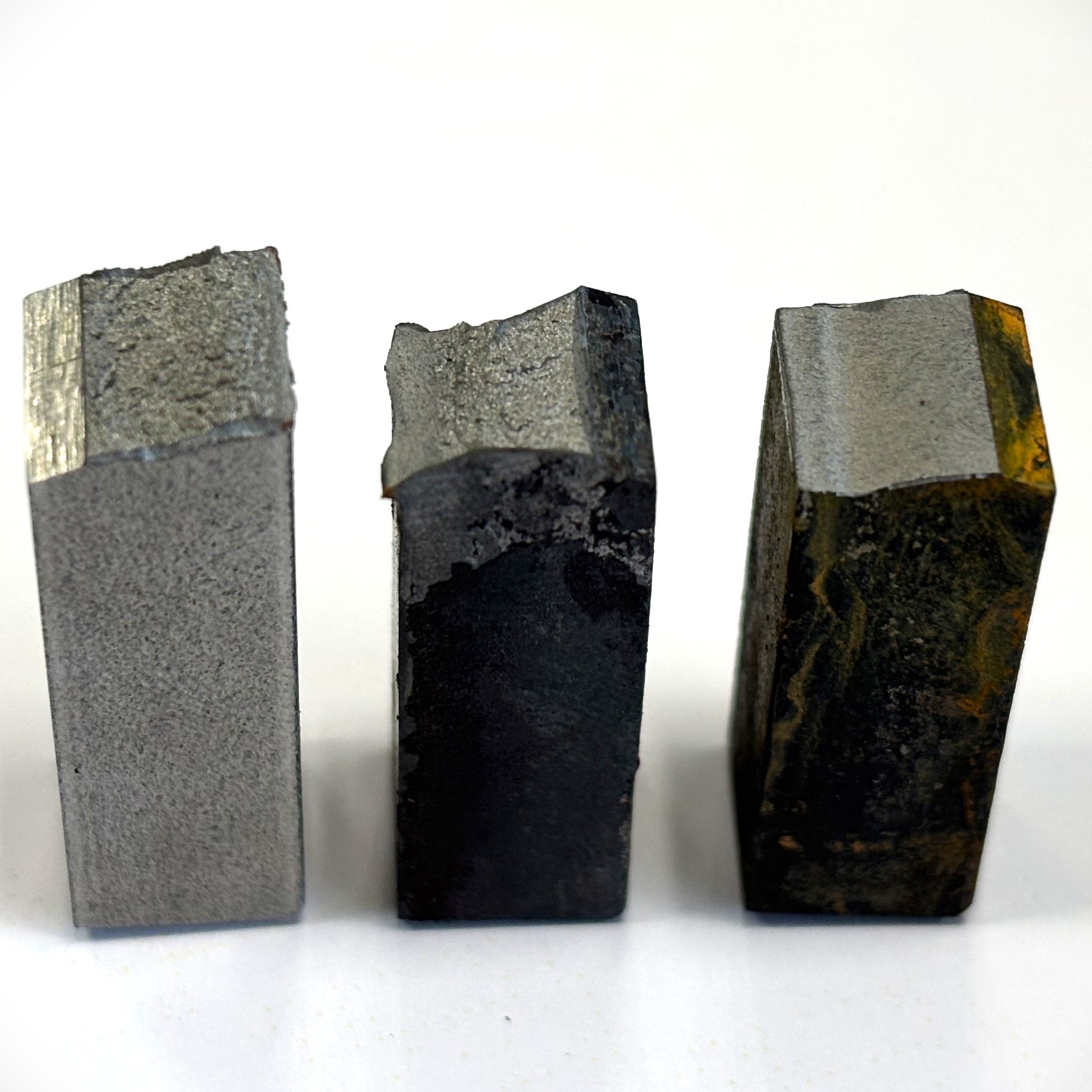
Mechanical Testing
IntermediatePerforming mechanical characterisation tests: tensile (30/250 kN), rotating bending fatigue, and Charpy impact tests.
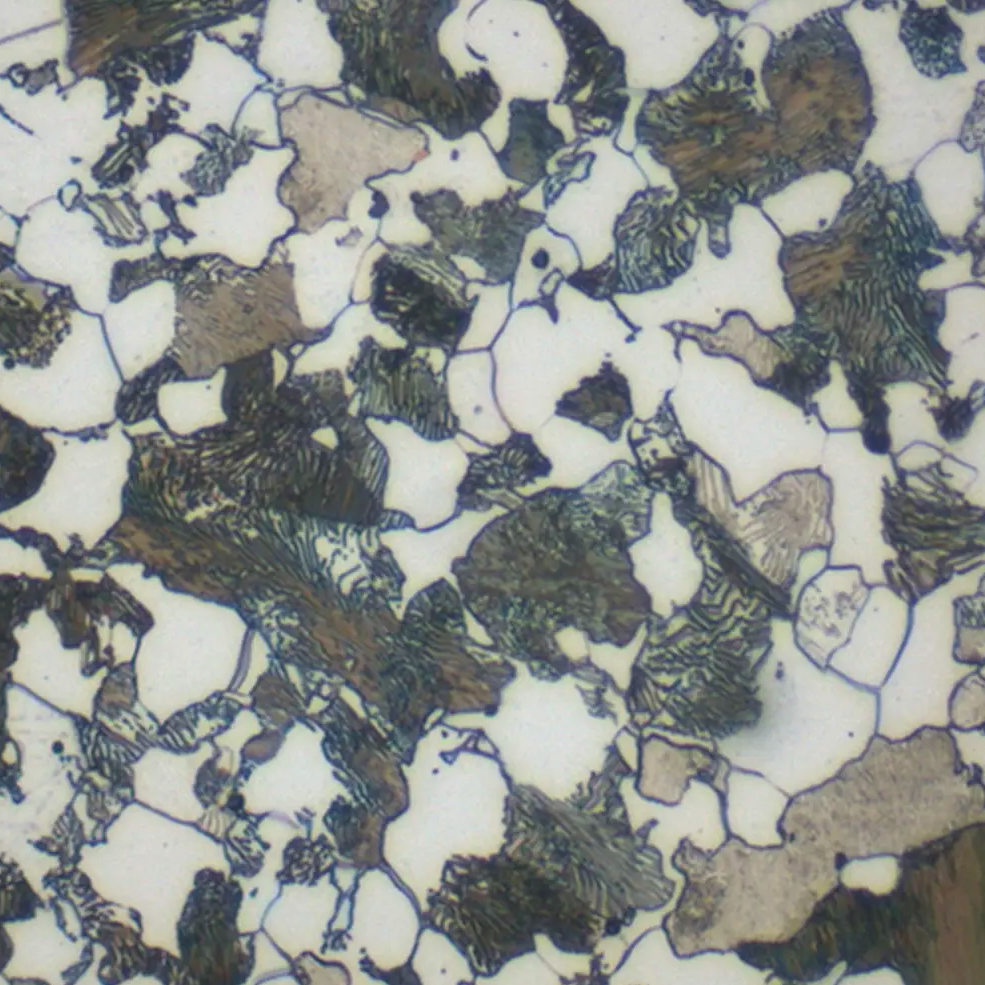
Metallography and Heat Treatments
IntermediateKnowledge of phase diagrams (iron-carbon), TTT/CCT diagrams, and common heat treatments (quenching, tempering, annealing). Practice of metallographic preparation and observation.
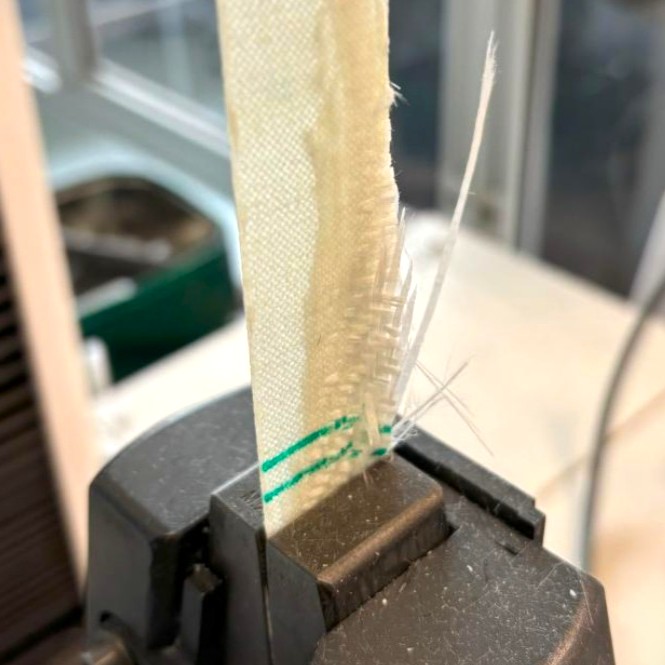
Composite Materials
IntermediateIntroduction to composite materials (glass/carbon fibres, polymer matrices) and their processing methods. Study of specific mechanical properties (anisotropy, tensile strength, porosity, etc.).

Advanced Materials Analysis
Basic knowledgeAnalysis of structural integrity and material analysis: from nanoscale microstructural study to non-destructive testing via ultrasound.
Study of Manufacturing Processes
Practical implementation of the main mechanical manufacturing processes acquired during the BUT GMP: machining, foundry, welding, cutting, metrology, and additive manufacturing.
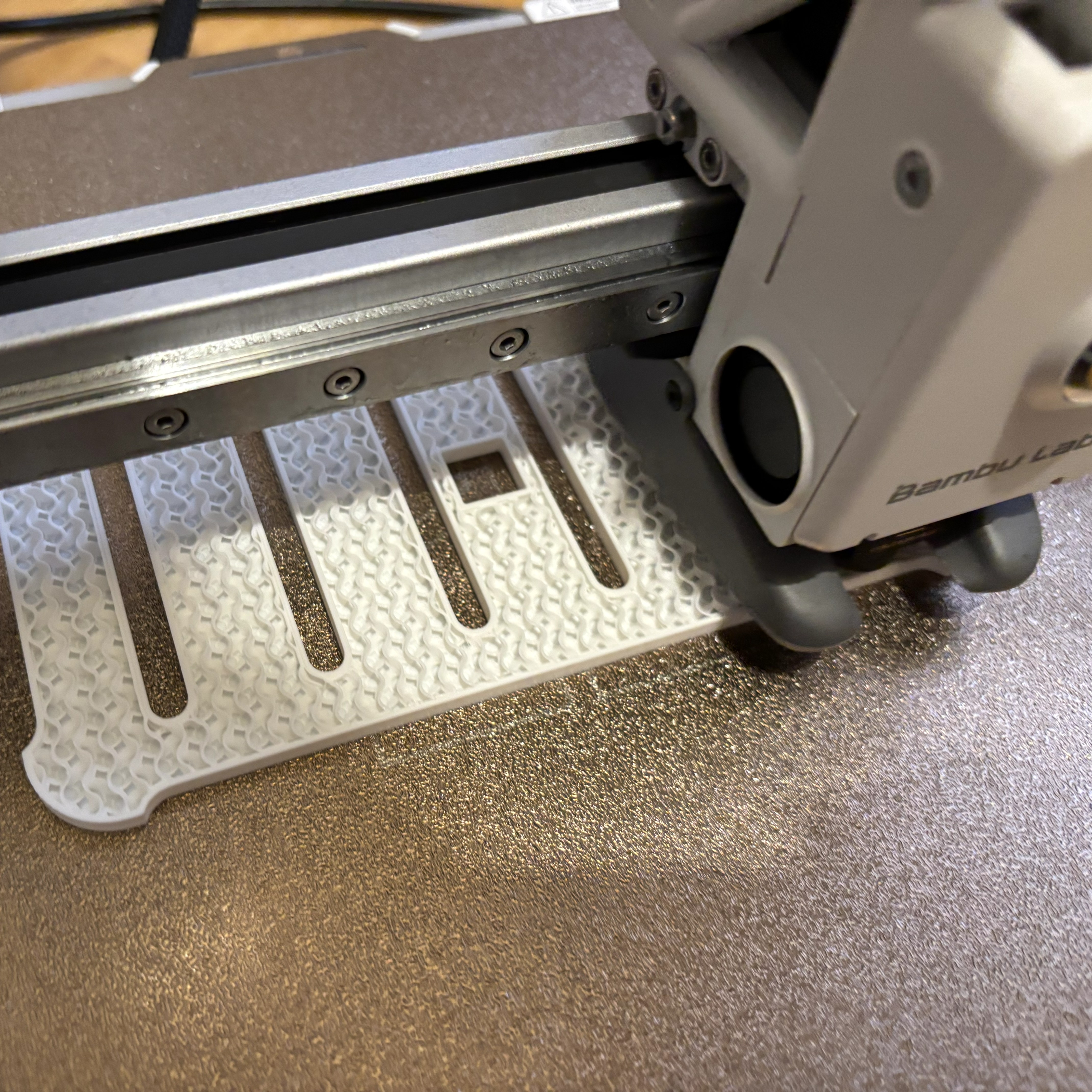
3D Printing
AdvancedAdvanced mastery of Fused Deposition Modelling (FDM) 3D printing. Slicer configuration (infill, supports, orientation) based on mechanical constraints and part geometry.
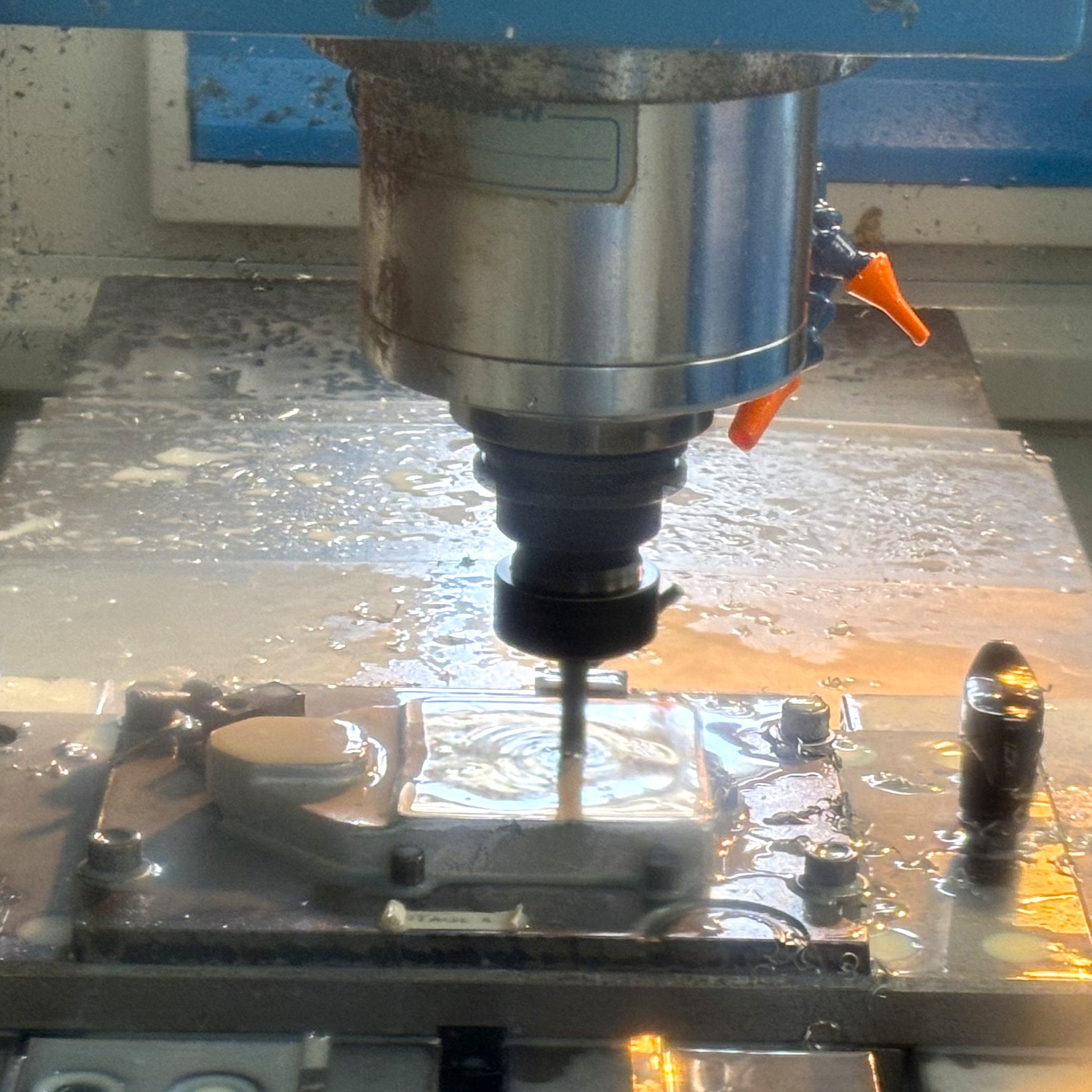
Conventional and CNC Machining
IntermediatePractice of turning and milling on conventional and computer numerical control (CNC) machines in the workshop. Mastery of manufacturing blueprint reading, selection of cutting parameters, and dimensional inspection of parts.
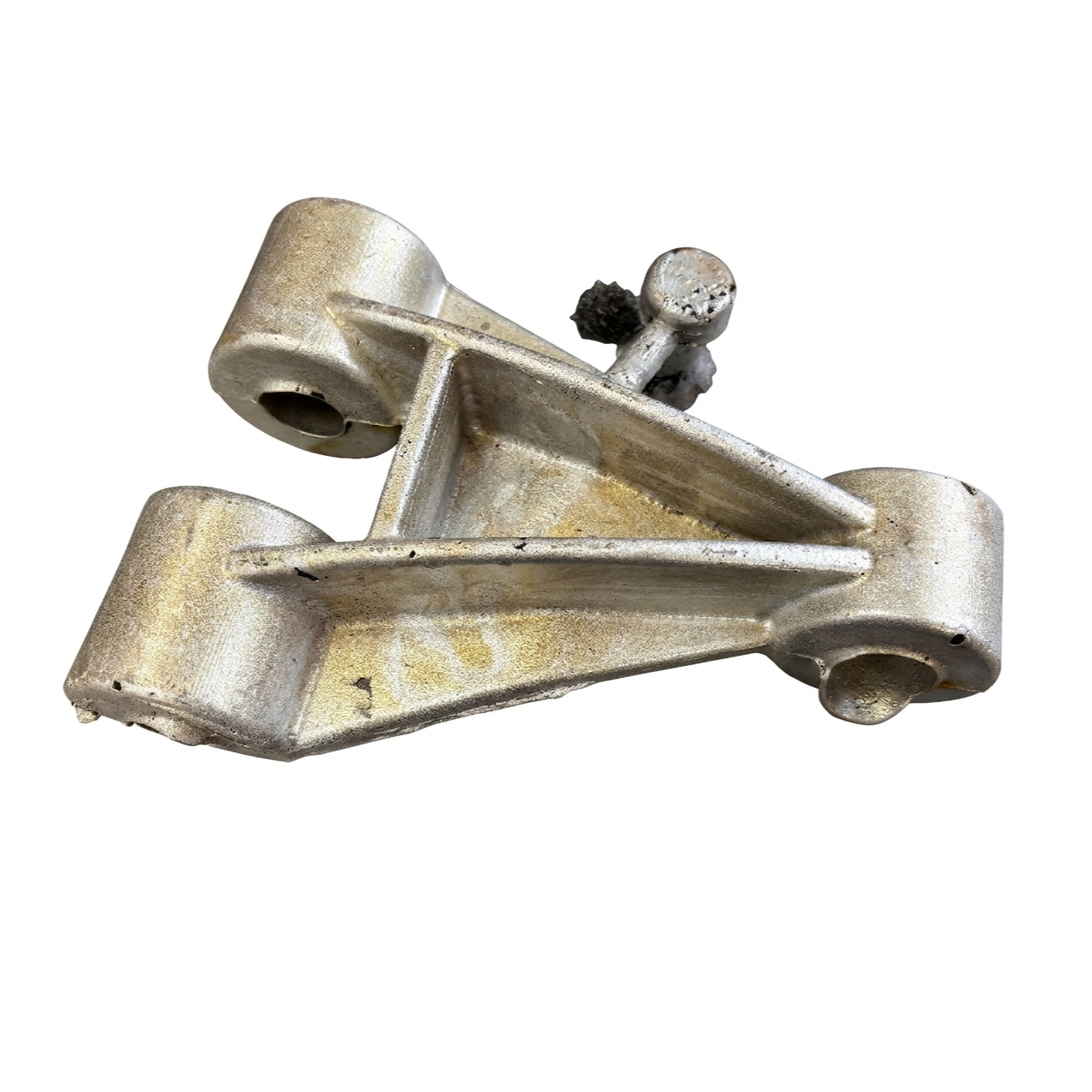
Foundry and Cutting Processes
IntermediateTheoretical and practical knowledge of foundry forming processes (sand, permanent mould) and basics of thermal and high-energy cutting processes.
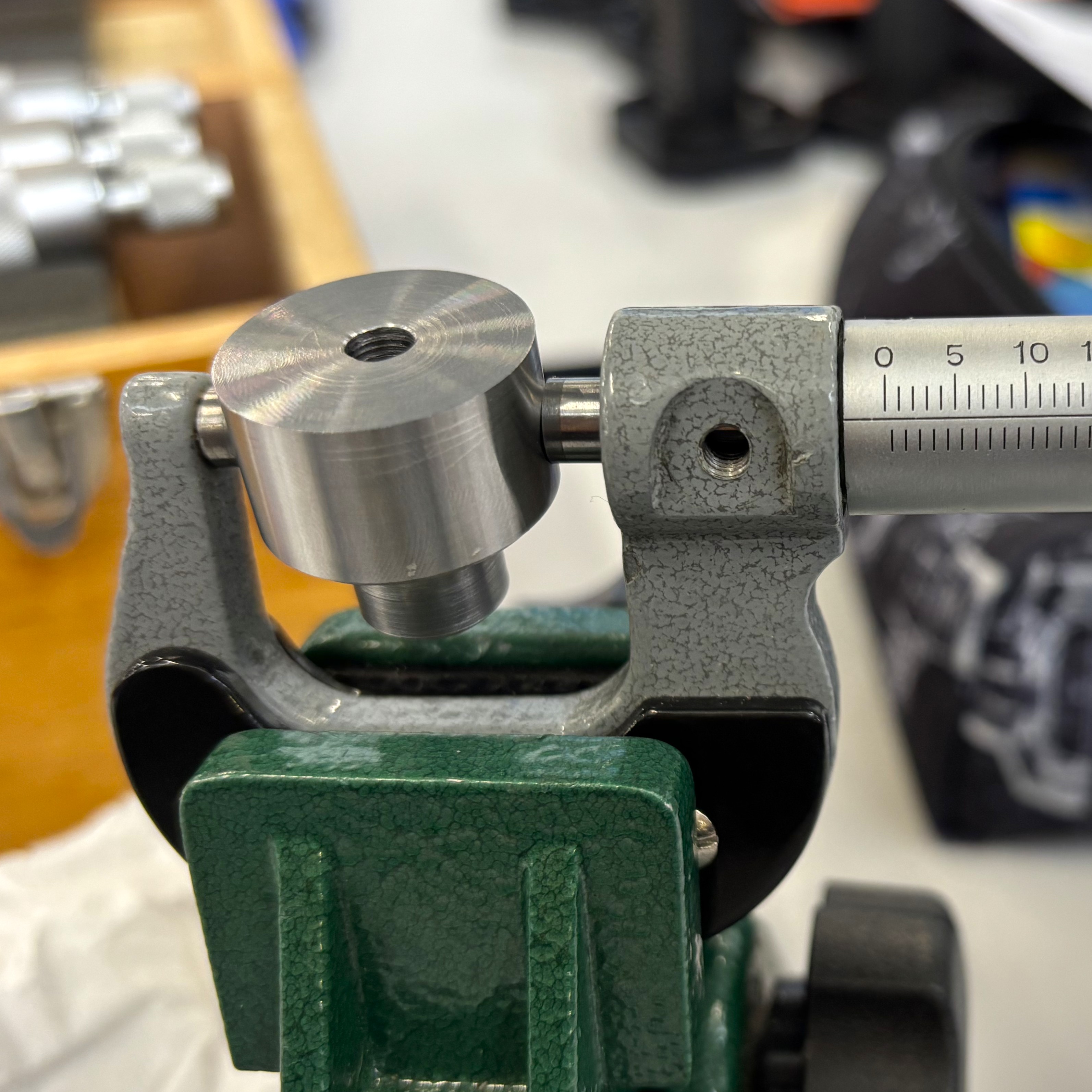
Metrology and Quality Control
IntermediateMastery of dimensional metrology instruments (calipers, micrometers, roughness testers, CMM) and basics of statistical quality control (Cp, Cpk capability).
Design Office and Applied Mechanics
Mastery of analytical tools and design methods used in design offices: Strength of Materials, kinematics, and functional analysis.
Strength of Materials
IntermediateAnalytical calculation of stresses and strains in beam structures (tension, bending, torsion, shear). Application to the dimensioning of shafts, beams, and mechanical assemblies.
Kinematics and Rigid Body Dynamics
IntermediateKinematic and dynamic analysis of mechanisms: joint graphs, degrees of freedom, input/output laws, velocity and acceleration analysis. Equation formulation using fundamental principles.
Functional Analysis and Engineering Methods
IntermediateFunctional analysis approach for defining requirements and specifying system functions. Used during academic projects and my Michelin internship.